Introduction
Getting visitors from search engines is not always about writing more content. Sometimes the biggest chances for growth are hidden in the way a website is set up.
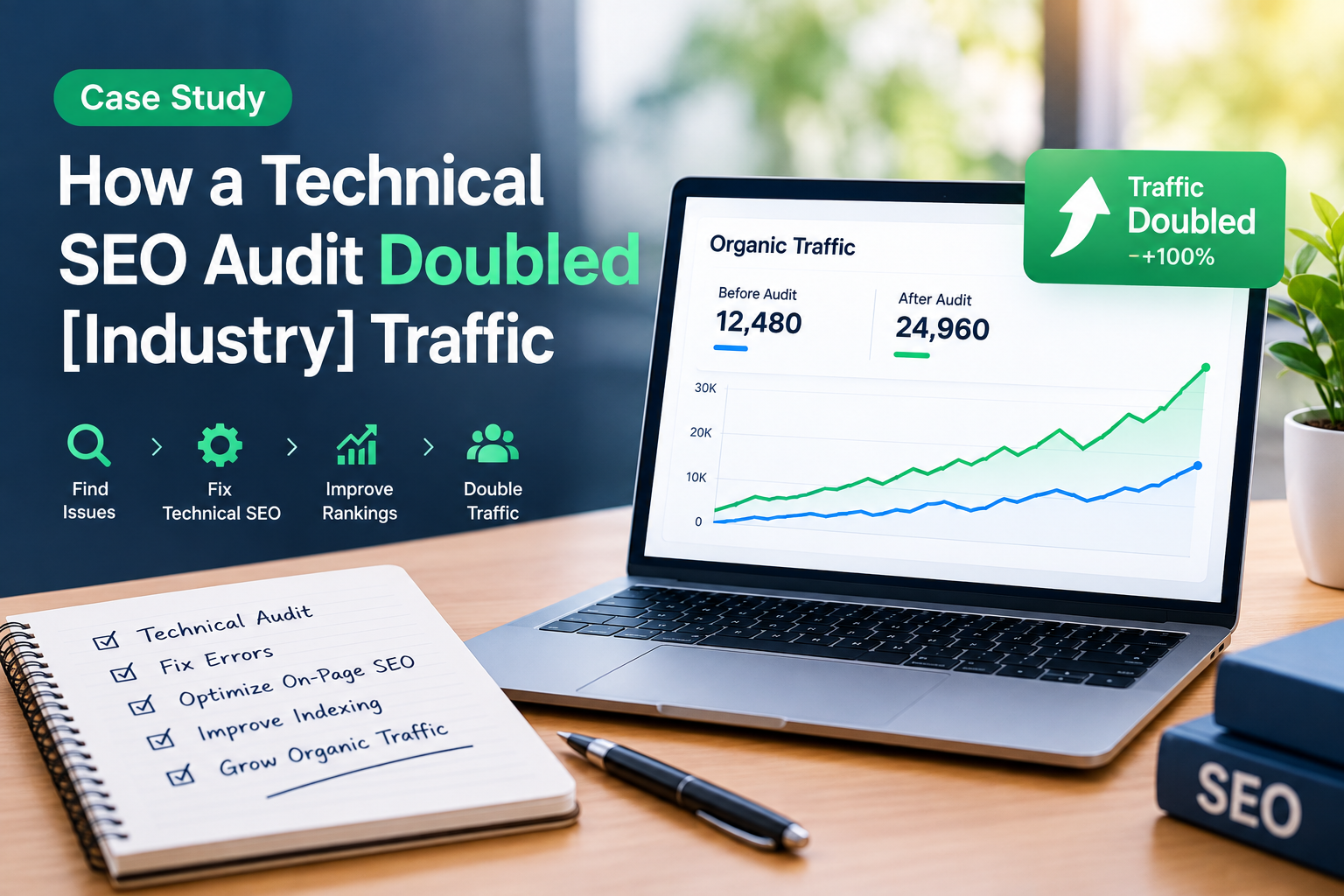
This case study looks at how a fictional [Industry] company used a SEO audit to find problems that were stopping it from showing up well in search engines. By fixing issues making the website easier to navigate and improving key pages the company was able to double its visitors from search engines over time.
The example shows that an SEO audit can be useful even if a website already has content.
The Starting Point: Good Content, Poor Traffic
The [Industry] company had been writing articles and service pages for many years. However the number of visitors coming from search engines stayed the same.
The website had:
than 150 pages that were indexed
A blog that was growing
Several strong pages about services
Good links from other websites
Regular updates to content
Even with these good things many important pages were not doing well.
The company thought it needed content. Instead a technical SEO audit found that the website had some problems that were holding it back.
What the Technical SEO Audit Found
- Important Pages Were Hard to Find
Some good pages were buried within the website.
Search engines could reach them. The way the website was linked together did not make it clear which pages were most important.
The audit suggested making links between related blog posts, category pages and main service pages.
- Duplicate Content Issues
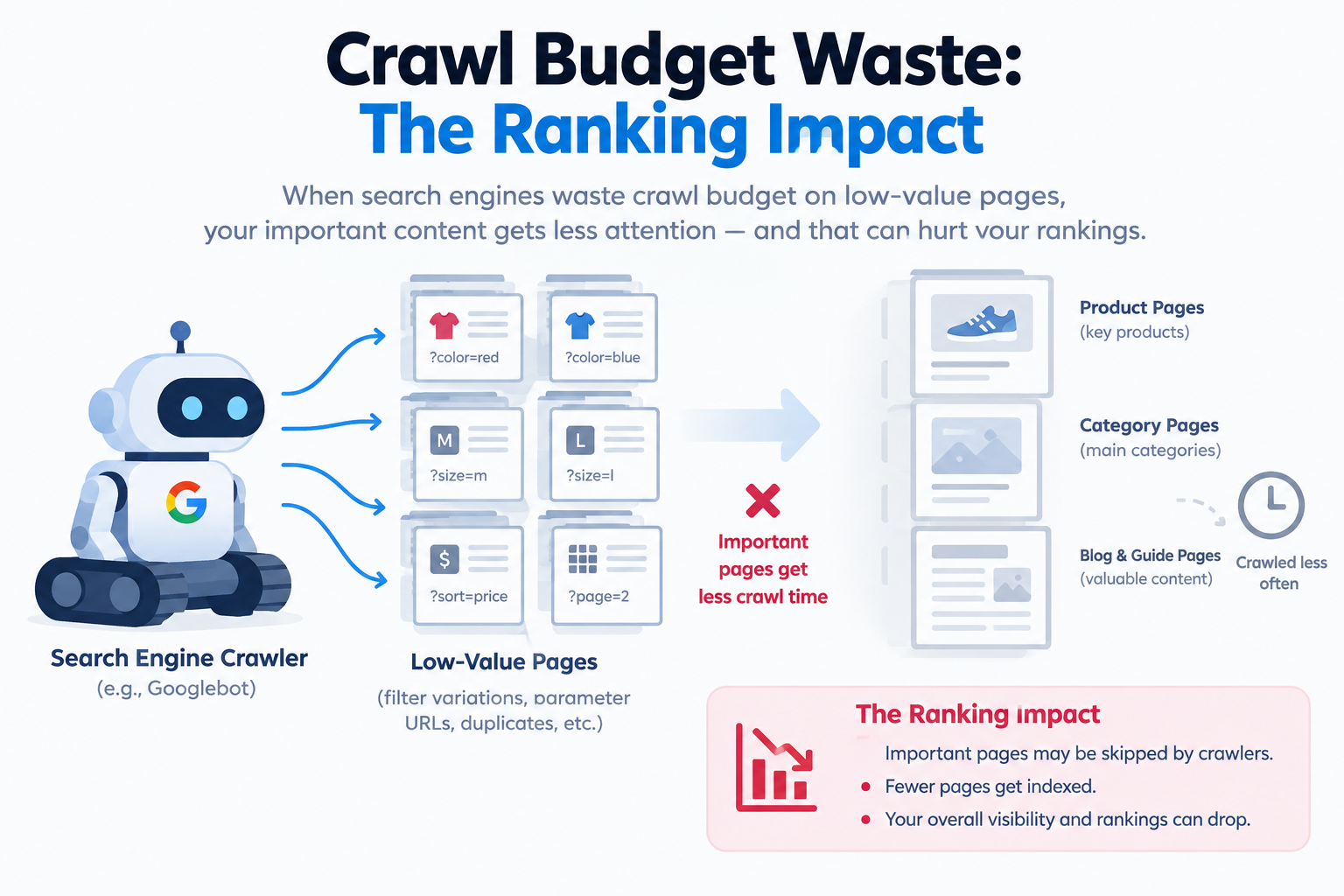
The website had URLs that showed almost the same content.
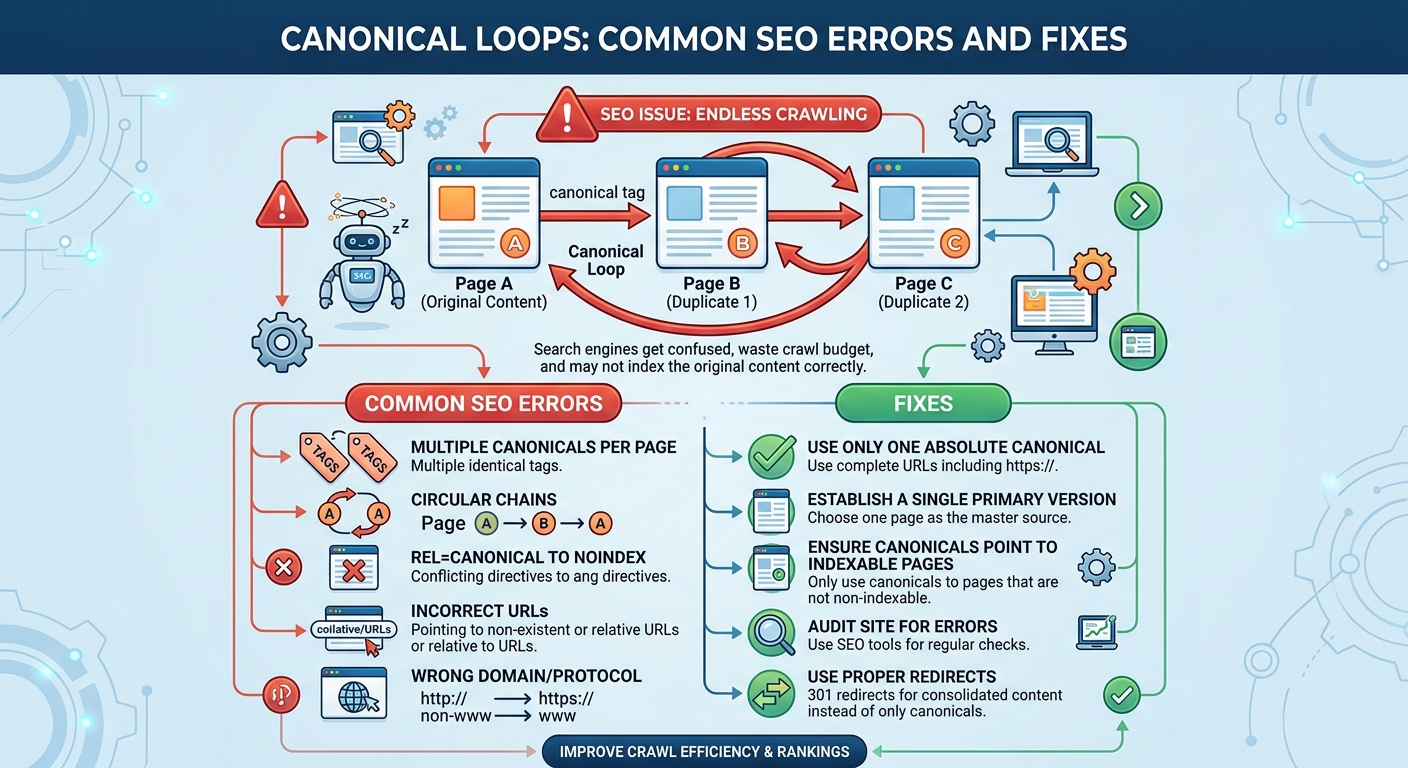
This could make it hard for search engines to know which version to show. The audit found similar pages and suggested using the right signals like canonical tags, redirects or combining content where needed.
- Slow Website Speed
Some pages had images and extra code that made them load slowly.
Although the website worked some pages were slow on mobile devices.
The development team made images removed extra code and fixed the speed of pages.
- Broken Links Inside the Site
The audit found links that pointed to pages that were no longer there.
These broken links made it hard for users. Made the website structure less clear.
The team. Removed old links and sent some old URLs to new pages when needed.
- Not Enough Links Between Pages
Some of the pages had very few links pointing to them.
The audit made a plan to link pages based on what they were about.
For example blog posts with information were linked to service pages helping users move from learning to buying.
The Action Plan
of fixing everything at once the company chose the most important problems first.
Phase 1: Fix the Technical Issues
The first step focused on:
Broken links
Problems with redirects
Indexing issues
sitemap
Correcting duplicate URLs
Making sure search engines can find pages
Fixing canonical tags
The goal was to build a cleaner technical base.
Phase 2: Improve the Website Layout
Next the team made the website structure better.
Important pages were put closer to the menu and related content was grouped in logical sections.
This made it easier for visitors and search engines to understand the website.
Phase 3: Improve the Pages
The audit found some pages that had unclear titles and headings.
The team fixed:
Page titles
Meta descriptions
Headings
Subheadings
Links inside pages
Image text
How content was organized
These changes made pages better to use and understand, not to add keywords.
The Results
Over time the [Industry] website grew a lot.
Organic traffic eventually reached about twice what it was before.
Other changes included:
More pages indexed
search visibility for important keywords
More views for key service pages
Better navigation inside the site
Fewer technical problems
The main point is that the traffic increase did not come from one single change.
It came from fixing technical and structural problems that were stopping the website from doing well.
Why the Audit Made a Big Difference
An SEO audit looks at things in a way than regular content work.
A content team might think, “Is this article helpful?”
An SEO audit asks questions:
Can search engines find this page?
Is the right URL being shown?
Are there copies of this page?
Does this page have links
Is the website structure easy to follow?
Does the page load fast on phones?
Are errors blocking it from being seen?
These questions can find issues that’re easy to miss when managing a website every day.
Lessons for Other [Industry] Websites
The lesson from this case study is simple: more content does not always mean more visitors.
Before making a lot of articles businesses should check that their current website is working well.
A professional website audit can help see if there are chances to fix crawl issues, indexing, speed links inside redirects, titles and overall structure.
Fixing those problems can make existing content better without needing a lot of pages.
Final Thoughts
Doubling the number of visitors from search engines usually does not come from one fix.
In this [Industry] example growth came from finding issues picking the most important ones and working on them step by step.
A technical SEO audit gives a plan. Of guessing why traffic is not growing website owners can use an audit to find real problems and see what to fix first.
For businesses that already have content but are not getting enough visitors a technical SEO audit can be a good starting point, for lasting improvement.