Ordering a website audit is only useful when the final audit report explains what is wrong and shows what to do
A professional website audit report should convert findings into practical recommendations. Of flooding you with hundreds of automated warnings the website audit should highlight the most important problems and set clear next steps.
What Is a Website Audit Report?
A website audit report is a document that summarizes the findings from an analysis of your website.
Depending on the scope it may cover:
- Technical SEO
- Content
- Website performance
- User experience
- usability
- Internal linking
- Backlinks
- Conversion paths
The website audit report should be tailored to your specific site instead of being created from a generic template.
What Information Should a Professional Audit Include?
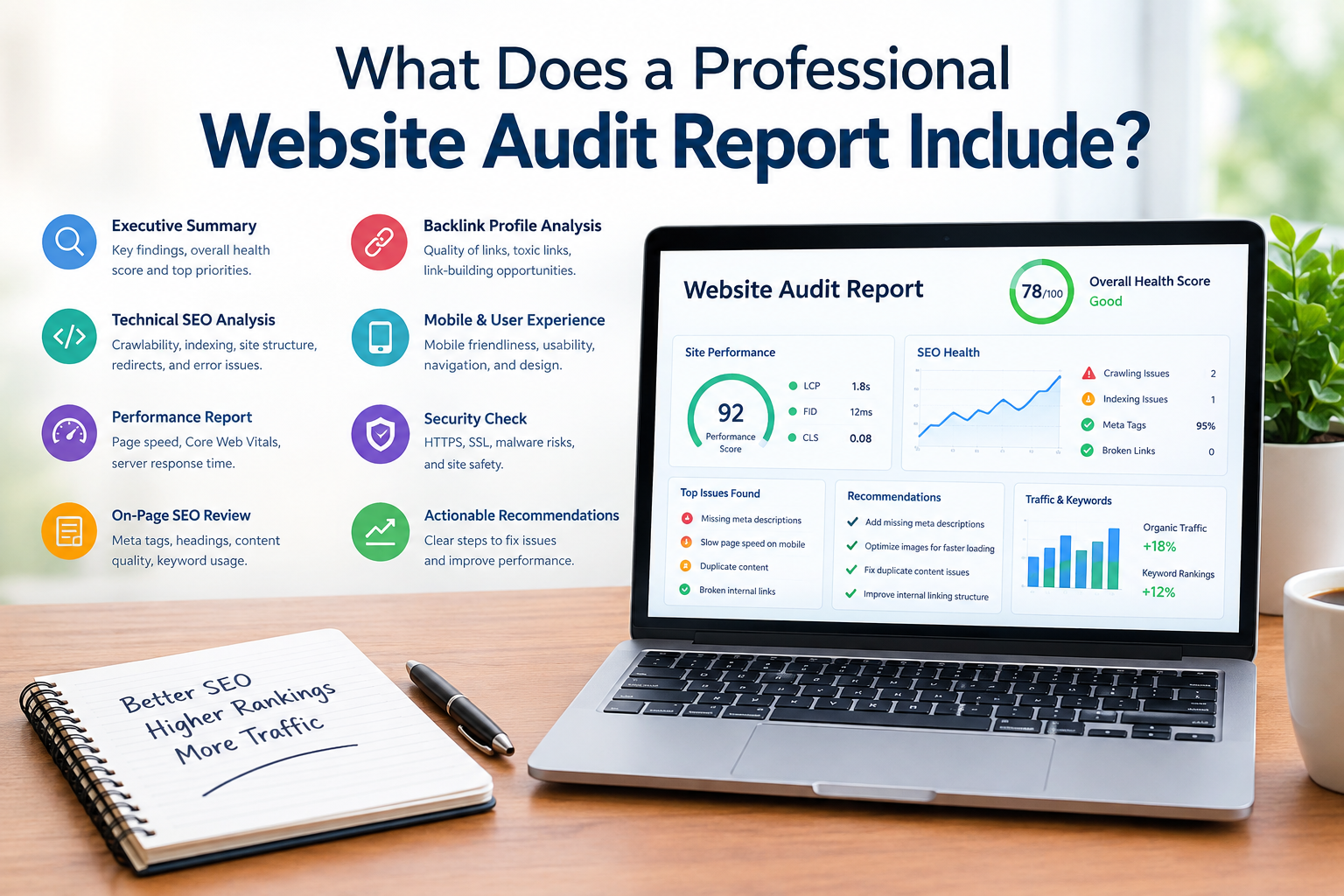
Executive Summary
The website audit report should start with a summary of the most important findings.
This section should help business owners quickly understand:
- problems
- Key opportunities
- Priority areas
- Recommended next steps
Technical SEO Findings
A technical section may examine:
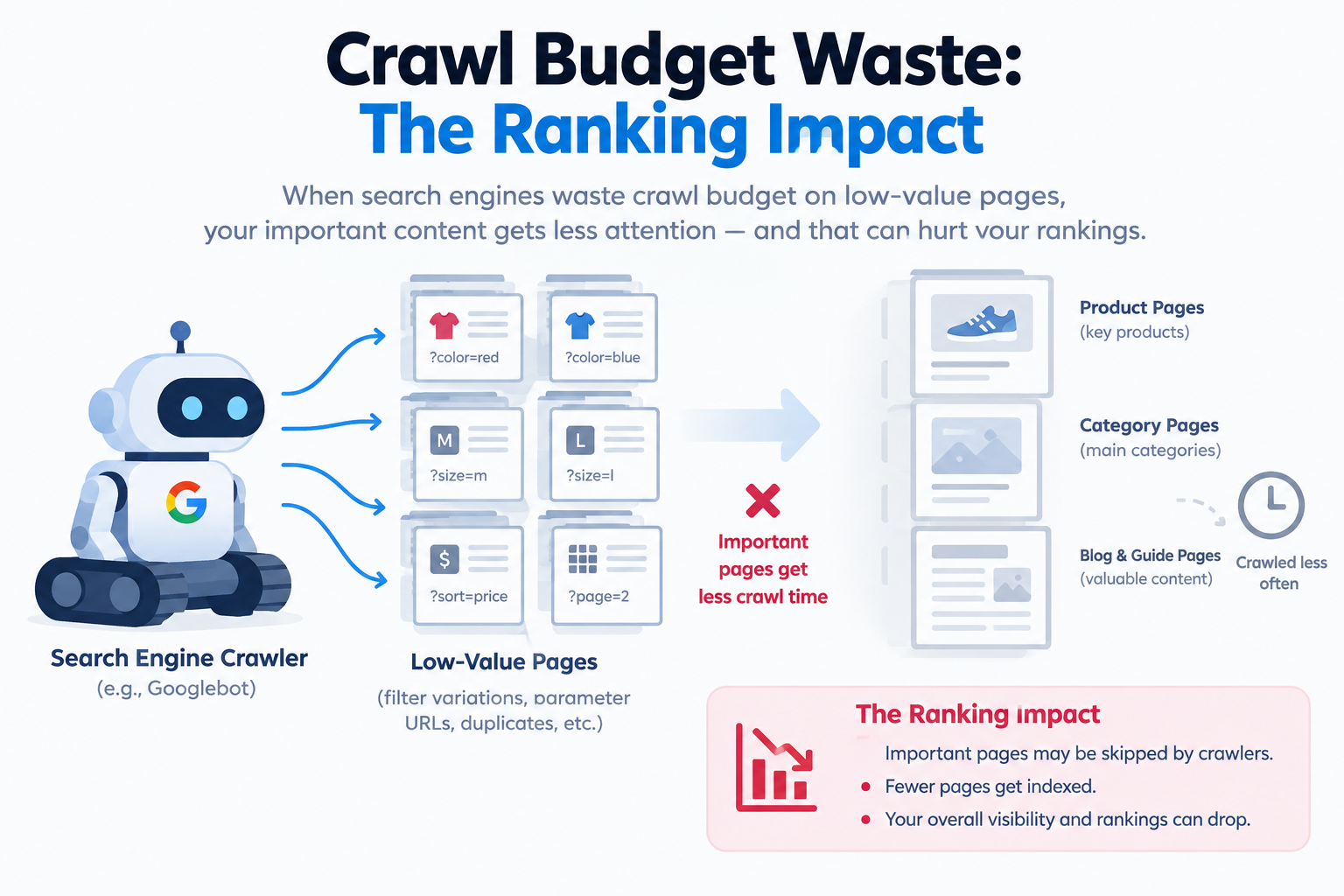
- Crawling
- Indexing
- Redirects
- Broken links
- XML sitemap
- Robots.txt
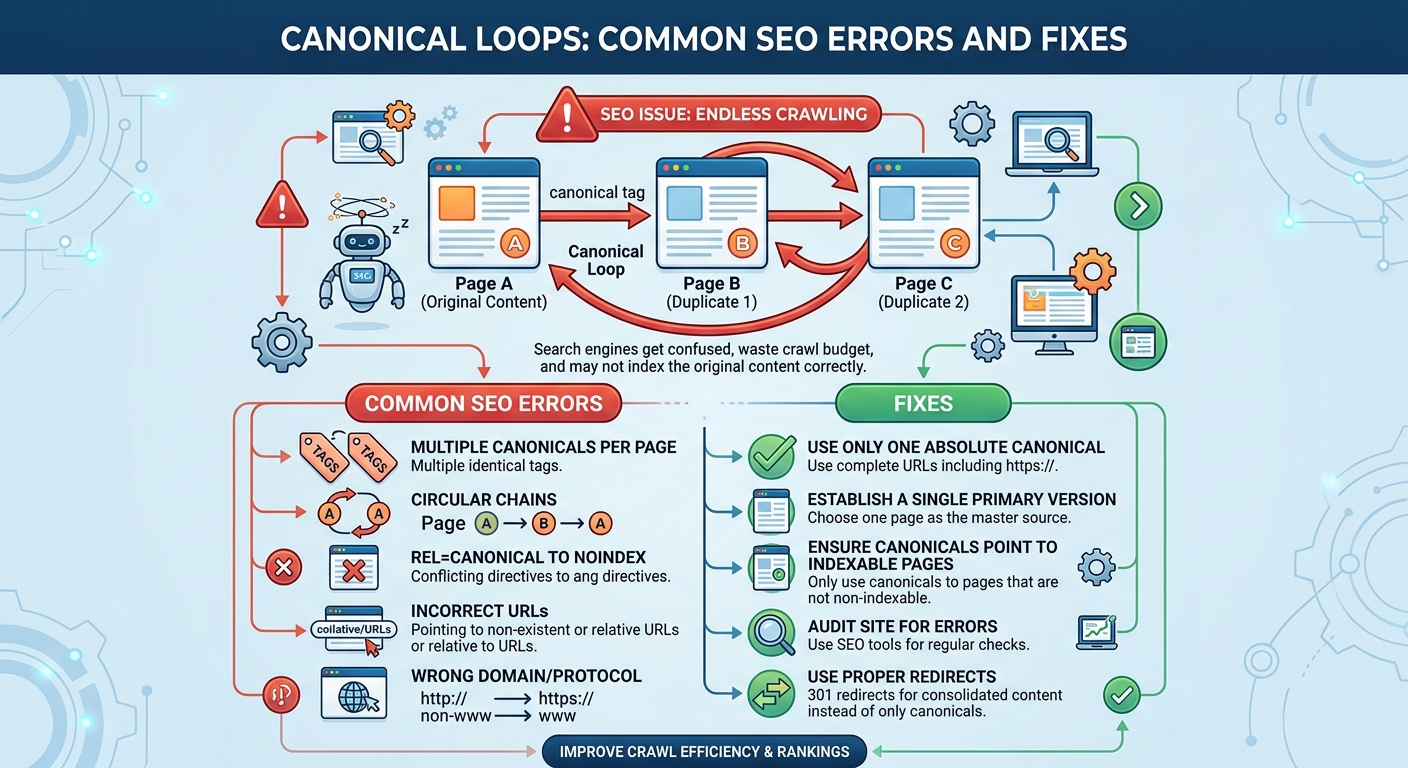
- Canonical tags
- Website architecture
The website audit report should explain why each important issue matters instead of just listing errors.
On-Page SEO Analysis
Important pages can be reviewed for:
- Title tags
- Meta descriptions
- Headings
- Content structure
- Internal links
- Search intent
- Keyword relevance
Content Evaluation
A content review can identify:
- pages
- Outdated information
- Duplicate content
- Missing topics
- Poor search intent alignment
- Content gaps
Not every low‑performing page needs to be deleted. The website audit report should consider each pages purpose and value before making recommendations.
Website Performance
A professional website audit report may review page speed, mobile performance and other technical performance factors.
Important landing pages deserve attention because performance problems can hurt both user experience and business outcomes.
User Experience Findings
The website audit report can identify problems involving:
- Navigation
- Mobile usability
- Forms
- Calls to action
- Page layouts
- Accessibility
- Conversion paths
Backlink Analysis
If backlink analysis is included the website audit report may review the sites link profile and spot links that are low‑quality or irrelevant.
The focus of the website audit report should be on understanding the backlink profile instead of automatically labeling every unfamiliar link as harmful.
Competitor Insights
Some website audit reports also compare your site with competitors.
This may reveal opportunities involving:
- Content
- Website structure
- Search visibility
- Local SEO
- User experience
Competitor analysis should be used by the website audit report to identify opportunities, not to copy another companys site.
How SEO Issues Should Be Prioritized
A good website audit report should separate problems from minor recommendations.
One useful framework is:
- priority: Issues that affect pages, indexing, accessibility, security or major user problems.
- Medium priority: Issues that affect optimization and performance but do not completely block access.
- Low priority: Minor improvements that can be addressed after higher‑impact work.
This approach makes the website audit easier to implement.
What Should You Do After Receiving an Audit Report?
An audit is the beginning of the improvement process, not the step.
Start by:
- Reviewing the findings
- Confirming the problems
- Prioritizing fixes
- Assigning responsibilities
- Implementing changes
- Monitoring results
- Rechecking areas
Some businesses can handle simple fixes in house while complex technical changes may need a developer or SEO professional.
DIY Audit Reports vs. Professional Audits
tools can be useful, for finding technical warnings quickly.
However tools do not always understand your business goals, search intent, customer journey or which issues deserve the attention.
A professional website audit adds analysis and prioritization to the technical data.
How to Choose a Website Audit Service
Before hiring a provider ask:
- What does the audit include?
- Will you receive a written report?
- Are recommendations prioritized?
- Does the audit include SEO?
- Is content reviewed?
- Is user experience included?
- Will the findings be explained?
- Is follow‑up support available?
Clear answers can help you understand what you are actually purchasing.
Frequently Asked Questions
How long does a website audit report take?
The timeframe depends on website size, complexity and audit scope. A small website can generally be reviewed quickly than a large e‑commerce platform.
Does an audit report include solutions?
A useful professional website audit report should include recommendations, not just a list of errors.
Can I perform a website audit myself?
Yes. I think basic website audits can be performed using SEO and website analysis tools. Complex websites may benefit from professional analysis.
Does a website audit guarantee rankings?
No. A website audit identifies problems and opportunities. Website rankings depend on how well the changes are implemented, the level of competition the quality of content the amount of search demand and other factors.
A professional website audit report should do more than just list errors. It should explain the important problems show where they occur and provide clear recommendations for addressing them.
If your business needs a review, across technical SEO, content, performance, UX and website structure, a professional Website Audit Service can give a structured starting point for improvement.